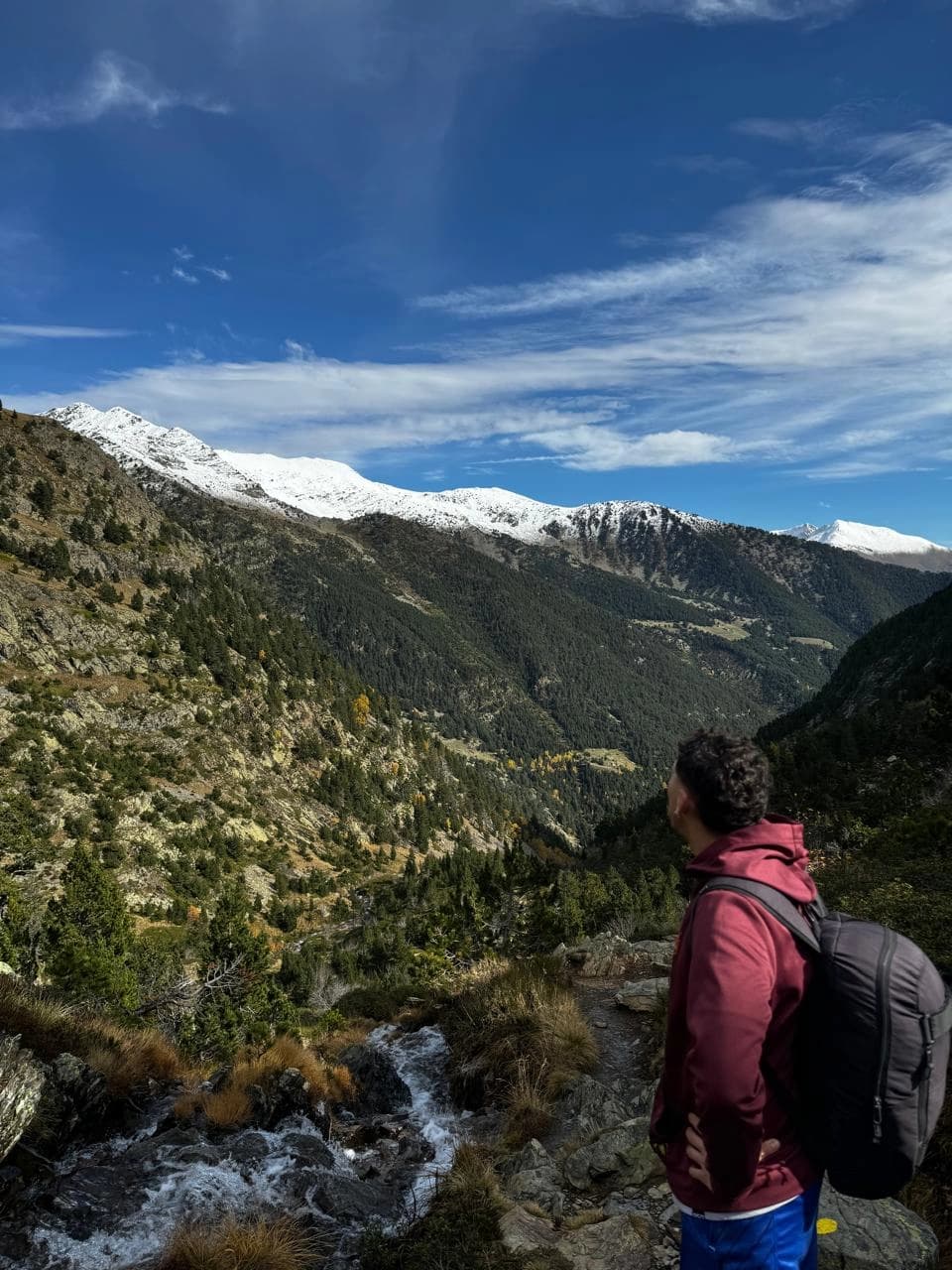
For those who dare to go a little further
1 min read
Multi‑day trekking
Multi‑day trekking often sounds harder than it is. In reality, many routes are designed for ordinary people: people who walk, get tired, rest, and keep going.
It is not walking harder, it is walking with more order
You do not need to run, arrive first, or prove anything.
The goal is to keep a pace you can repeat each day, without spending everything on day one.
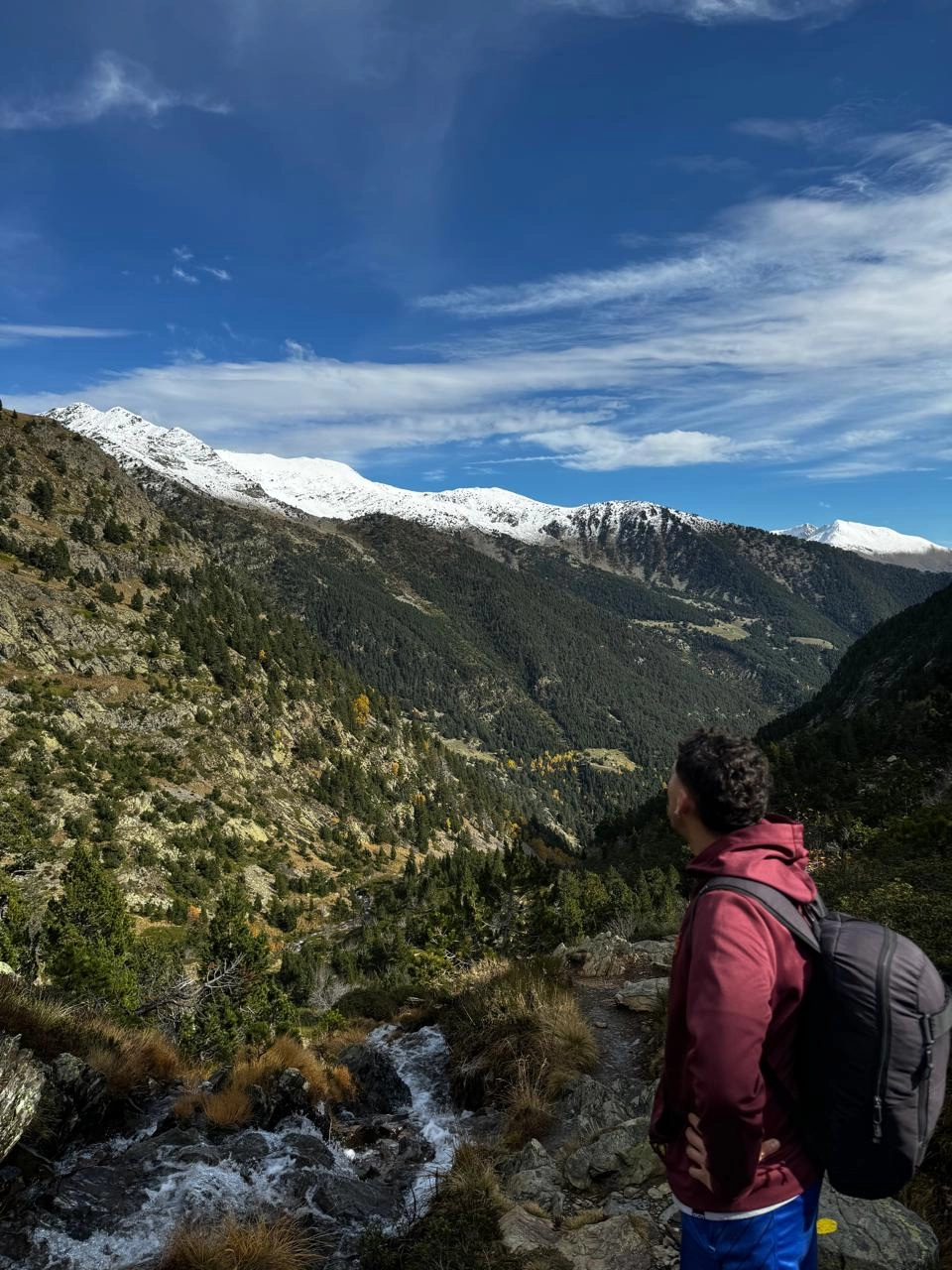
The difference is in the mind
The main difference from a day hike is not in the legs, but in the mind.
Slower rhythm.
More frequent stops.
More even days.
The common mistake is to leave on day one as if it were a short hike. That is when early fatigue appears.
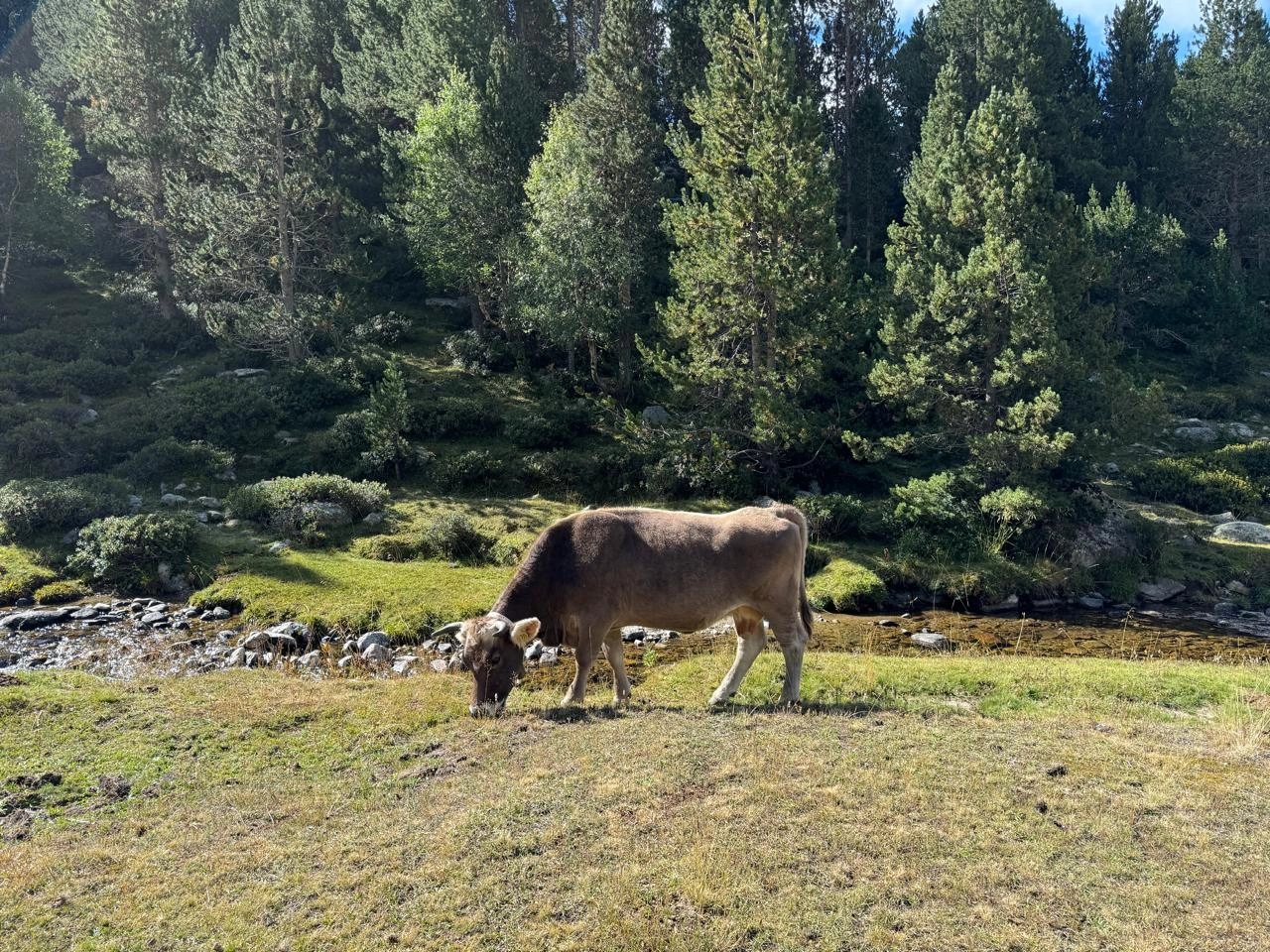
Choose routes built for multiple days
To begin, look for:
Well‑marked trails.
Clear stages.
Easy access.
Options to shorten if needed.
Not every long trek is technical. Many are made to move without rush and sleep well.
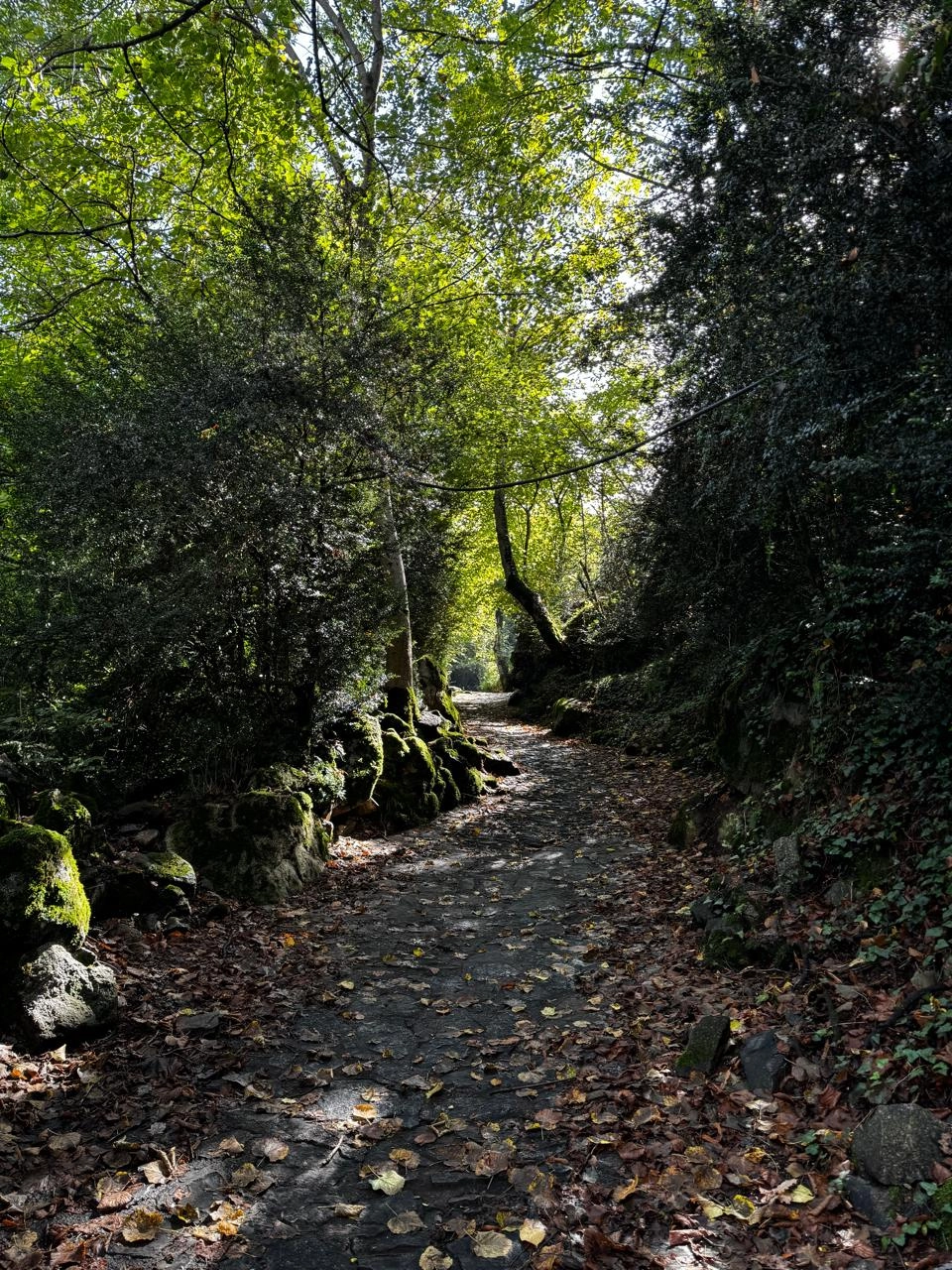
What to bring (without overloading)
On multi‑day trekking, every item is felt.
It helps to prioritize:
Clothes you can repeat.
Real warmth, not extra.
Simple food.
Water measured well.
What you do not use on the first day, you probably will not use later.
Sleeping well is part of the plan
Walking tired is possible. Sleeping badly, not so much.
Make sure of:
Decent sleeping pad.
Bag suited to the climate.
Sheltered spot.
Sleeping well makes the next day start differently.
The goal is not to finish fast. Multi‑day trekking works when you accept something simple: each day is a day. You do not rush ahead or make up for it. You walk, arrive, rest. And that is fine.